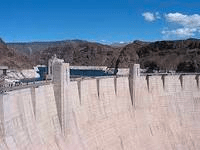
댐은 인간이 강이나 하천의 흐름을 조절하여 물을 저장하고 제어하는 구조물입니다. 댐은 다양한 목적을 위해 사용되며, 수도 공급, 발전, 홍수 통제, 농업용 물 공급 등의 중요한 기능을 수행합니다. 그러나 댐은 환경에 영향을 미치는 여러 가지 문제점들도 가지고 있습니다.
댐과 환경의 관계에서 주요한 문제점은 다음과 같습니다:
- 수해: 댐이 홍수 통제를 목적으로 사용되기는 하지만, 불안정한 환경 조건에서 댐이 과도한 물을 방출하지 못하거나 갑작스런 강우로 인해 댐이 넘치는 경우가 발생할 수 있습니다. 이로 인해 하천 아래 유역의 주변 지역에 심각한 홍수 피해가 발생할 수 있습니다.
- 저류수에 의한 환경 변화: 댐이 강의 흐름을 막아 물을 저장함으로써 하류로 물의 유출량이 줄어들고, 하류 생태계에 영향을 미칩니다. 저류수로 인해 하천의 하류 부분은 수위가 낮아지고 생태계가 변화할 수 있으며, 어류 이동에도 영향을 미치게 됩니다.
- 지형 변화와 수질 문제: 댐의 건설로 인해 주변 지형이 변화하고, 댐에 쌓인 퇴적물이 하류로 이동하여 하천의 형태를 변화시킵니다. 이로 인해 지역 생태계와 수질에 영향을 미치는 경우가 발생할 수 있습니다.
- 수생태계 변화: 댐이 하천의 흐름을 막아 물을 저장하면서 상류와 하류 사이의 생태적 연결이 차단될 수 있습니다. 이로 인해 상류와 하류의 수생태계 사이의 이동이 어려워지고 생태적 균형이 깨질 수 있습니다.
이러한 문제들을 해결하고 댐의 환경적 영향을 최소화하기 위해서는 댐의 건설과 운영 시에 주의 깊은 환경 평가가 필요하며, 해양생태계를 보호하고 보존하는데 있어서 적절한 조치들이 필요합니다. 또한 댐 운영 시에는 주변 생태계와 생물 다양성을 고려하여 물의 방류와 방식을 결정하는 것이 중요합니다. 환경 보호와 인프라 구축의 균형을 맞추는 노력이 댐과 환경의 상호작용을 관리하는데 중요한 역할을 할 것입니다.
Dams are structures built by humans to control the flow of rivers and streams, storing and regulating water. They serve various purposes, such as water supply, electricity generation, flood control, and agricultural water supply. However, dams also have several environmental issues associated with them.
Key problems concerning dams and the environment include:
- Flooding: While dams are designed to control floods, they can fail to release excess water during unstable environmental conditions or in cases of sudden heavy rainfall, leading to severe downstream flooding.
- Environmental Changes from Reservoirs: Dams obstruct river flow, leading to reduced downstream water flow, which can alter the ecology of the downstream region. This can result in lowered water levels and changes in the ecosystem, impacting fish migration as well.
- Geomorphological and Water Quality Issues: Dam construction can alter the surrounding terrain, and sediment accumulation behind the dam can affect downstream river morphology. This sediment transport can also impact water quality in the downstream area.
- Aquatic Ecosystem Changes: Dams can block the movement of aquatic species between upstream and downstream areas, disrupting the ecological connectivity between these regions and causing imbalances in the aquatic ecosystem.
To address these issues and minimize the environmental impact of dams, careful environmental assessments are necessary during their construction and operation. Proper measures must be taken to protect and preserve aquatic ecosystems. Additionally, dam operations should consider the surrounding ecological systems and biodiversity, making informed decisions about water release and flow patterns. Balancing environmental preservation with infrastructure development efforts is crucial in managing the interaction between dams and the environment.
 Bodabada
Leave a comment